
My First Impression of Dutch Working Culture

By Devi Muralee Krishna
When I first started working in the Netherlands, I expected the biggest challenges to be adapting to a new workplace, understanding professional communication, and perhaps the language barrier. But what surprised me most was not what people worked on, it was how they worked.
Coming from a culture where hierarchy, formal communication, and long working hours can often be associated with dedication, Dutch working culture introduced me to a completely different perspective: efficiency, equality, and balance.
Everyone’s opinion matters
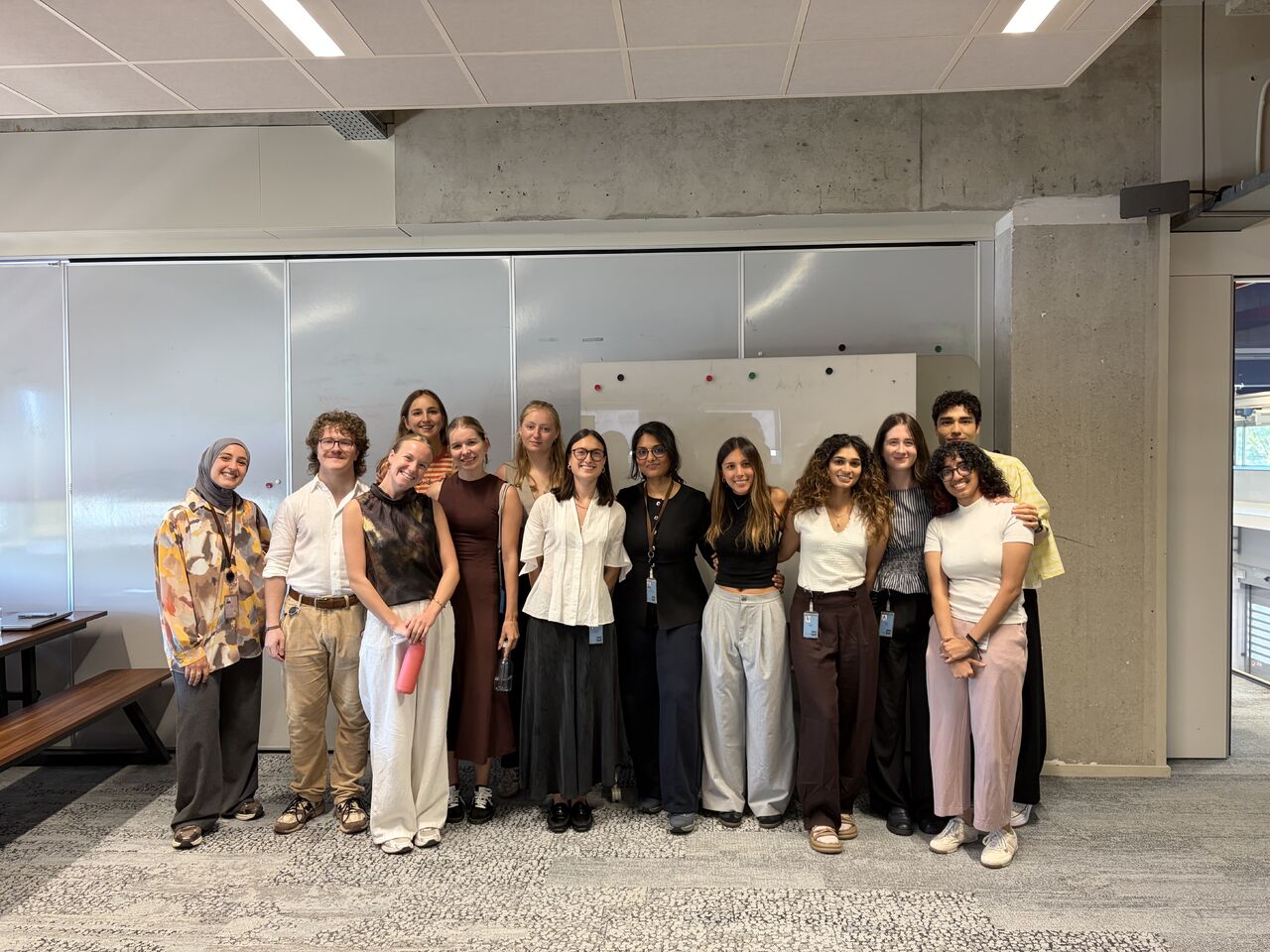
One of the first things I noticed was how approachable everyone was, regardless of their position. In Dutch workplaces, the distance between managers and employees often feels much smaller.
During meetings, everyone is encouraged to share their thoughts, whether you are an intern, a new employee, or someone with years of experience. It is common for colleagues to openly question ideas, suggest improvements, or disagree respectfully.
At first, this direct communication style felt surprising. In many cultures, questioning a senior colleague’s opinion may feel uncomfortable, but in the Netherlands, it is often seen as a way to improve ideas and find the best solution together.
Direct communication: honest but respectful
The Dutch are known for being direct, and this is especially visible at work.
Instead of saying something indirectly to avoid discomfort, Dutch colleagues usually communicate clearly and honestly. Feedback is often straightforward, but the intention is not to criticize, it is to help you improve.
As an international student, learning to appreciate this communication style has been an important part of my professional growth. I learned that direct feedback is not personal; it is simply part of creating better collaboration.
Work-life balance is truly valued
One of the biggest cultural differences I noticed is the importance given to work-life balance.
In the Netherlands, staying late at the office is not always seen as a sign of commitment. Instead, being productive during working hours and managing your time efficiently is highly valued.
Many people leave work on time to enjoy their evenings, spend time with family and friends, exercise, or pursue hobbies. Holidays and personal time are respected, and taking a break is considered necessary rather than a luxury.
This approach has changed the way I think about productivity. Working harder does not always mean working longer, sometimes it means working smarter.
Planning and punctuality are important
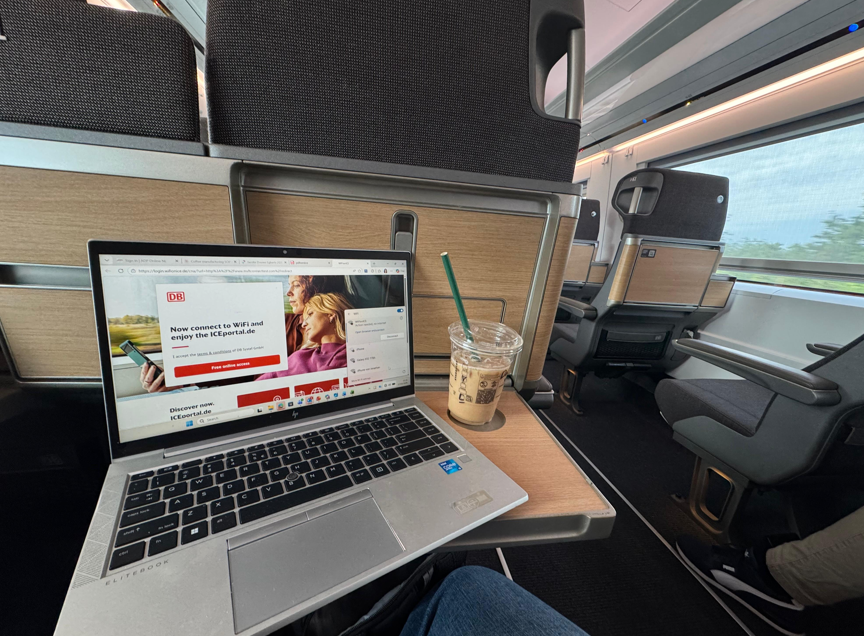
The Dutch love planning. Whether it is a meeting, a project deadline, or even a casual coffee with colleagues, calendars play an important role in daily life.
I quickly learned that “let’s meet sometime” is not always enough. A date and time are usually decided in advance, and sticking to agreements is highly appreciated.
This organised approach makes teamwork smoother because everyone knows their responsibilities and expectations.

Internships are treated as real work experiences
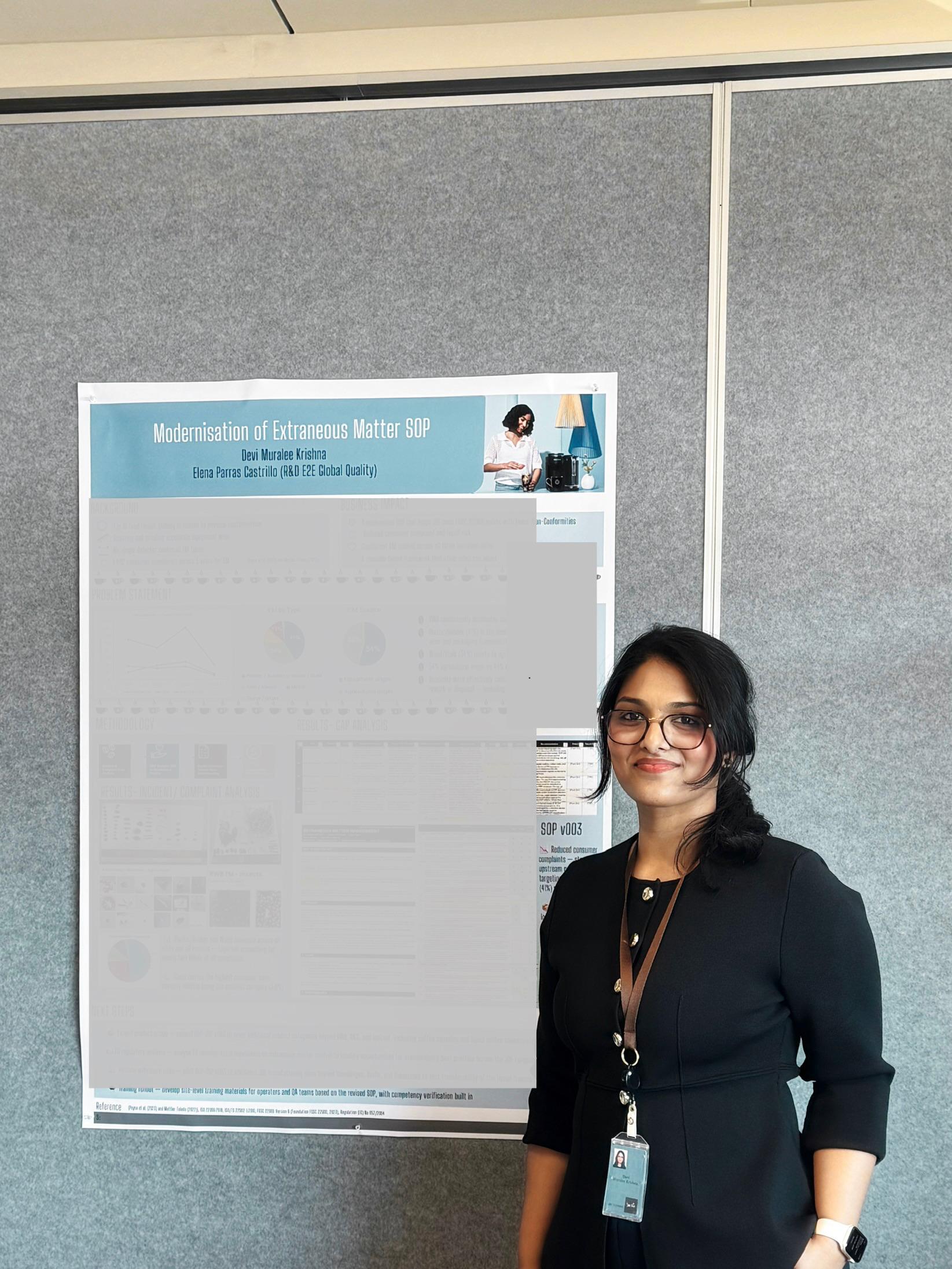
As a student, one thing I appreciated was how internships are viewed in Dutch companies. Interns are not simply there to observe; they are often given meaningful responsibilities and opportunities to contribute.
As an intern in the Netherlands, I experienced this approach firsthand. From being part of team discussions to taking ownership of meaningful tasks, my internship helped me understand how Dutch companies create a learning environment for students. You can read more about my everyday experiences and routine in my blog “A Day in My Life as an Intern in the Netherlands.”
My internship experience showed me that asking questions, sharing ideas, and taking initiative are encouraged. It helped me understand that learning in a professional environment is not just about completing tasks, it is about becoming part of the team.
Coffee breaks and informal connections
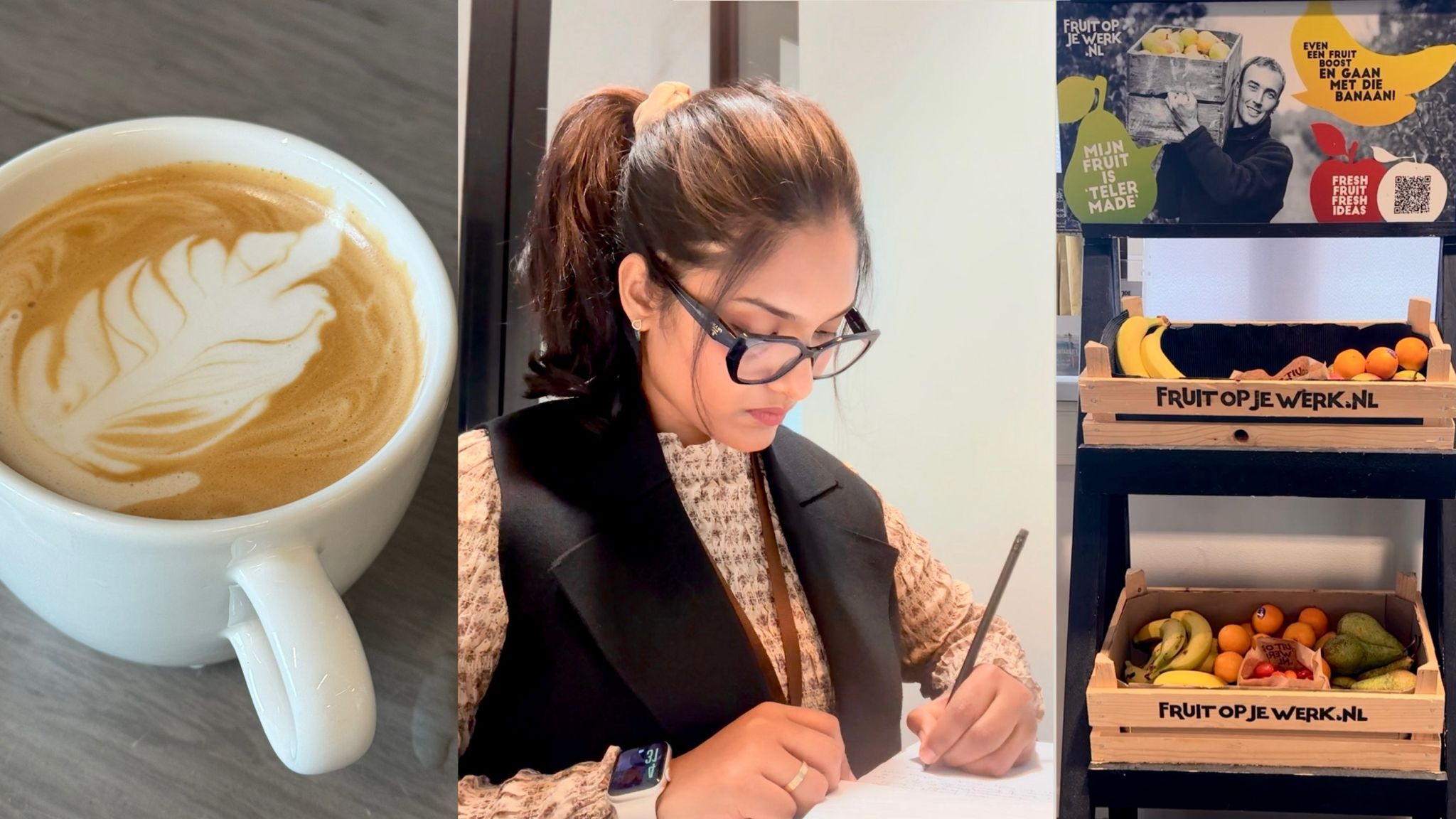
Despite the focus on productivity, Dutch workplaces also value informal moments. Coffee breaks are an important part of connecting with colleagues.
A quick chat while making coffee or having lunch together can help build relationships beyond work tasks. These small moments make the workplace feel more personal and welcoming, especially for international employees who are adapting to a new environment.
What I learned from Dutch working culture
My first impression of Dutch working culture is that it is built on trust. Employees are trusted to manage their responsibilities, share their opinions, and maintain a healthy balance between professional and personal life.
Moving to the Netherlands has taught me that there is no single “right” way to work. Every culture has its own strengths, and experiencing different approaches helps us become more adaptable professionals.
For me, Dutch working culture is a reminder that a successful workplace is not only about achieving results. It is also about creating an environment where people feel respected, heard, and valued.
Warm regards,
Devi