
Celebrating Saint Martin in Spain and the Netherlands

By Pablo
“Every pig has its Saint Martin.” This is a very common phrase in Spain and originates from Saint Martin’s Day (11 November). When I first arrived in the Netherlands, I assumed the Saint Martin festivity would be similar to Spain’s. After all, both traditions honour the same saint. However, I quickly discovered that the Dutch version was very different from the one I grew up with in Castilla y León.
Who Was Saint Martin of Tours?
The celebration commemorates the funeral of Saint Martin of Tours. According to the legend, Saint Martin of Tours was a young soldier in the Roman Empire who, in a cold winter, encountered a homeless person without clothes, freezing from the cold. Having no money to offer, Saint Martin cut off a piece of his cloak with his sword and gave it to a homeless man.
Saint Martin in Spain
Saint Martin’s Day is a particularly important celebration in Castilla y León, the region where I come from, due to its strong rural traditions and historical dependence on livestock.
In other parts of Spain, this tradition is disappearing day by day due to declining rural populations and the loss of livestock from the economy.
Family members and neighbours gather not only to work together but also to celebrate. It is a time for conversation, socialising, gossiping, and even courtship. Above all, it brings people together. Ideally, the slaughter takes place on Saint Martin’s Day. However, it is usually carried out once the weather becomes cold and wet, as the disappearance of flies creates better conditions for preserving the meat. As a result, Saint Martin’s Day traditionally serves as a reference point for the beginning of the slaughter season.
Warning!: The following section contains sensitive information and content. If this is something you prefer to skip, you can continue with the next main section “Saint Martin in the Netherlands”.
How the slaughter works

Mantecados, a classic Spanish pastry
The animal is caught by the jowl with an S-shaped hook, handled quickly and skillfully. Other men restrain the pig and tie a rope around its hind legs, dragging it to the bench or table where the slaughter will take place, avoiding unnecessary struggle and fatigue to obtain a good bleeding.
Cleaning and Preparing the Pig
Once the pig dies, the butcher removes all the bristles from its skin. To do this, they take the animal off the table, place it among straw, shrubs, and small pieces of wood, and then set them alight. This is also the moment when the children cut off the pig’s tail and eat it. Of course, children need some motivation to stay the whole day without getting bored.
Once the pig is removed from the fire and returned to the bench, the remaining ashes are brushed off, and the washing process begins.
Butchering the Pig
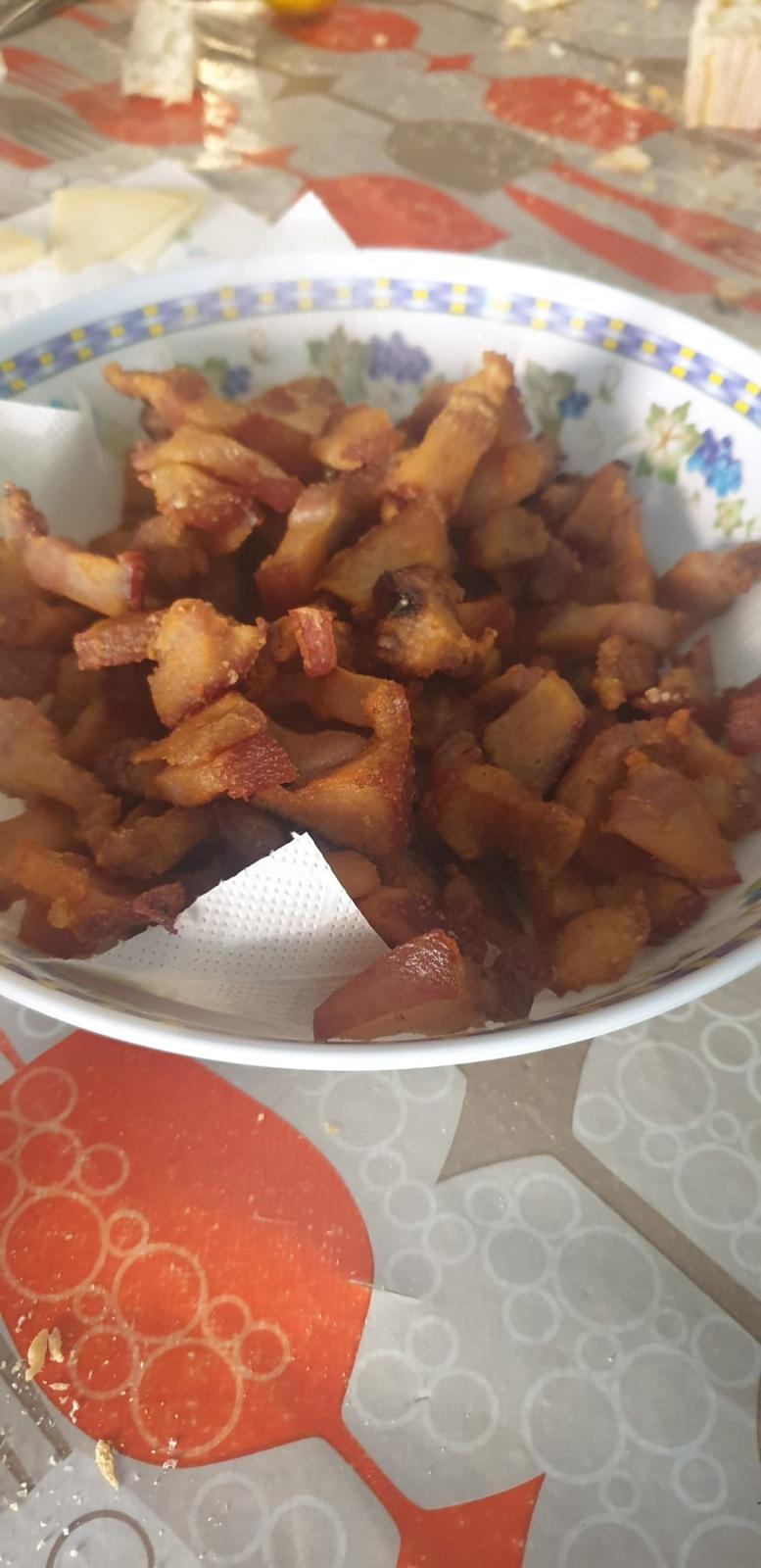
Freshly fried torreznos, a traditional treat enjoyed during the pig slaughter.
Morcillas Making
On the third day after lunch, the preparation of the morcillas (blood sausages) usually begins. Families used the remaining broth to prepare a hearty soup with lean meat, offal, paprika, and garlic, which they often enjoyed that evening or at lunch the next day.
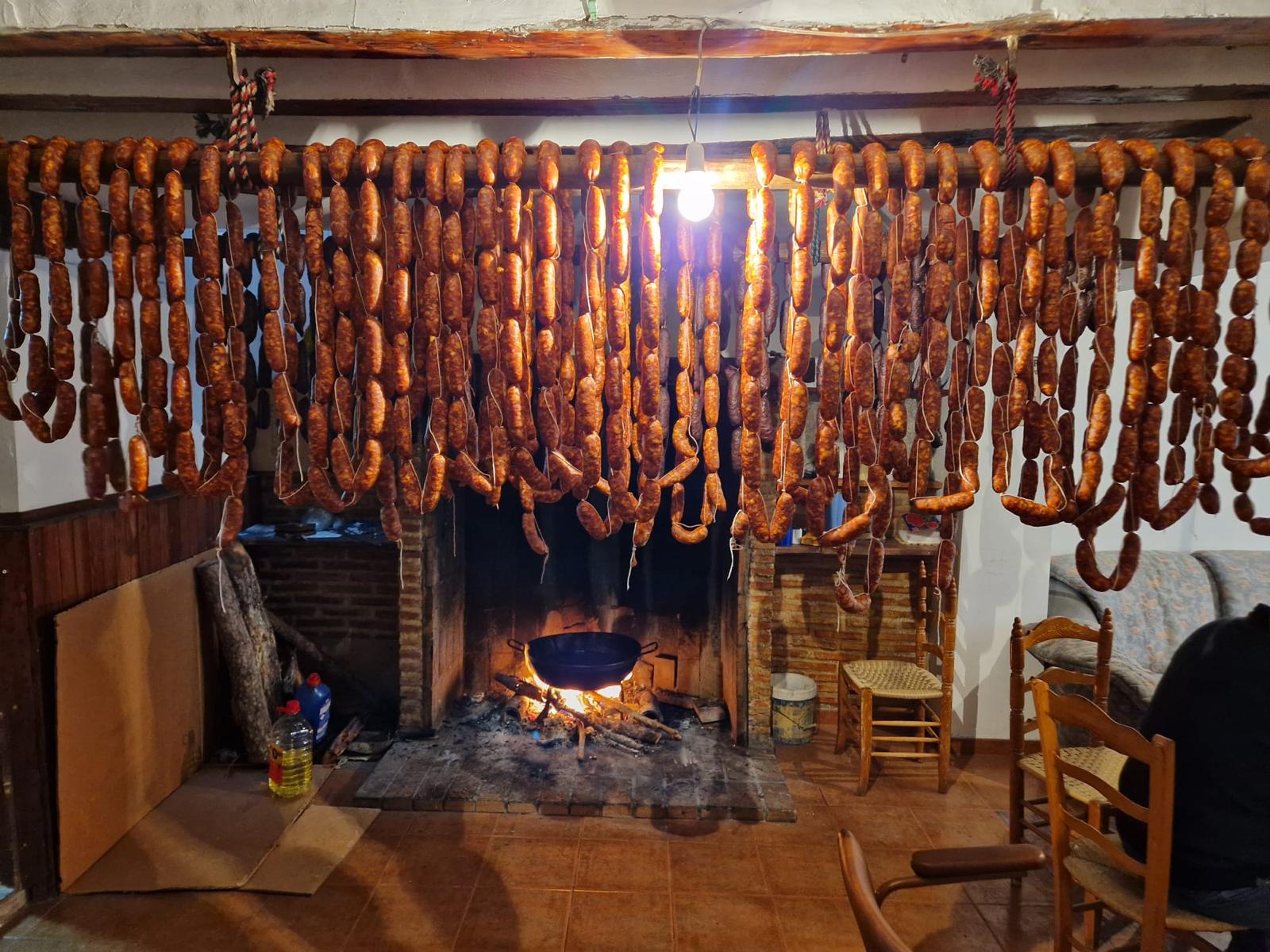
Freshly Made Morcillas
Saint Martin in the Netherlands
When I first came to the Netherlands, I thought this tradition would be the same. However, it came as a surprise to me that in the Netherlands, Saint Martin is a whole different event, with parades and bonfires! It is a tradition in which children make lanterns (lampionnen), and by 17:00 they go door to door in their neighbourhood to receive sweets and sing songs! Something very similar to Halloween! As you can imagine, moving from pig slaughtering and blood sausages to lanterns and children singing was not exactly what I expected.
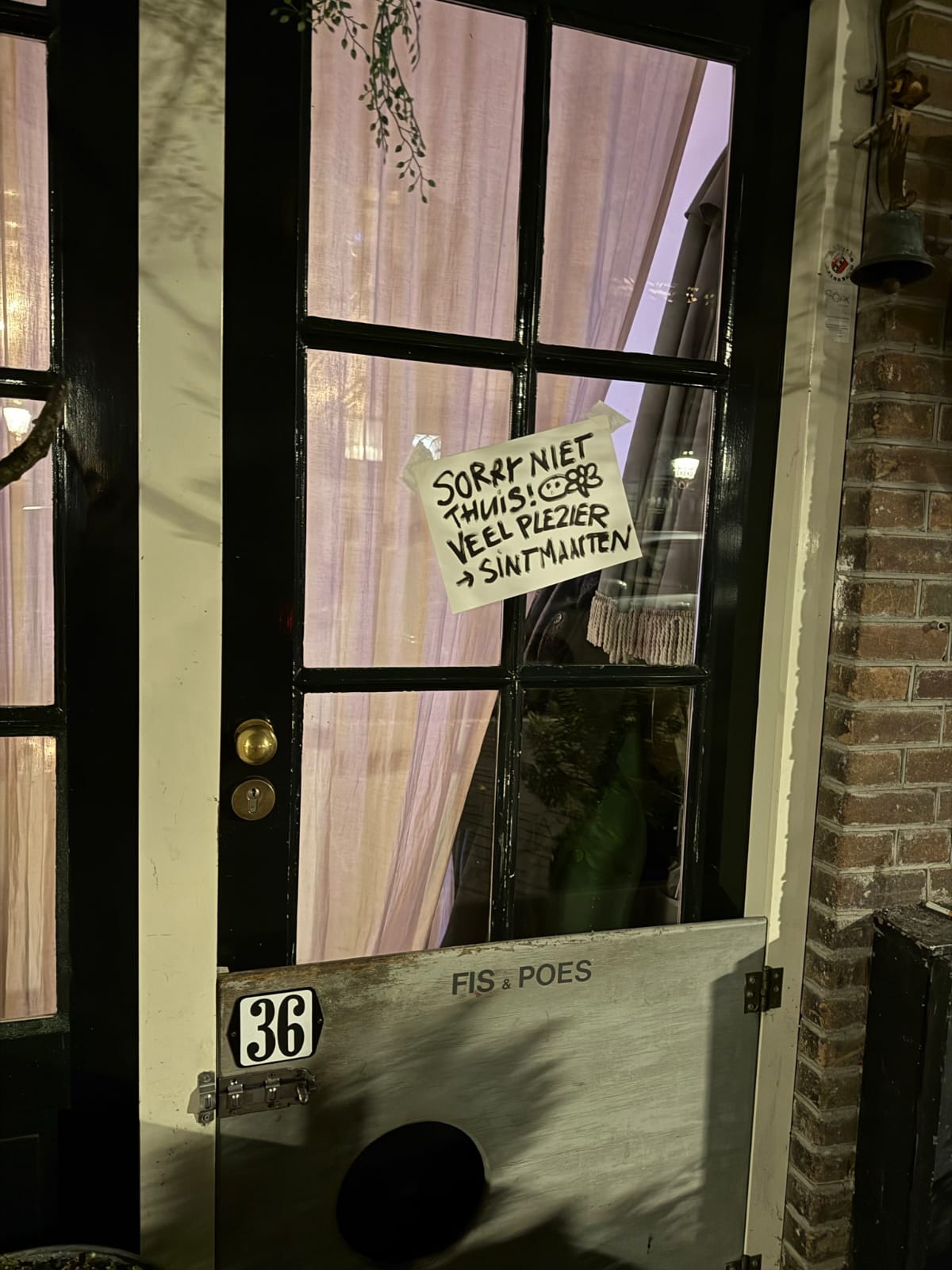
Not Home, but Still Celebrating Sint Maarten
In Utrecht, Saint Martin is very important, as he is the city’s patron! Ronde van Sint Maarten is a parade where the public goes around the centre of Utrecht, passing by the most beautiful light sculptures, choirs, marching bands, circus performances, dancers, shows… A parade that 100% you absolutely must not skip. Also, the good part is that the light sculptures are immobile, so you can spend the time you want at a sculpture, because you are the one who moves around!
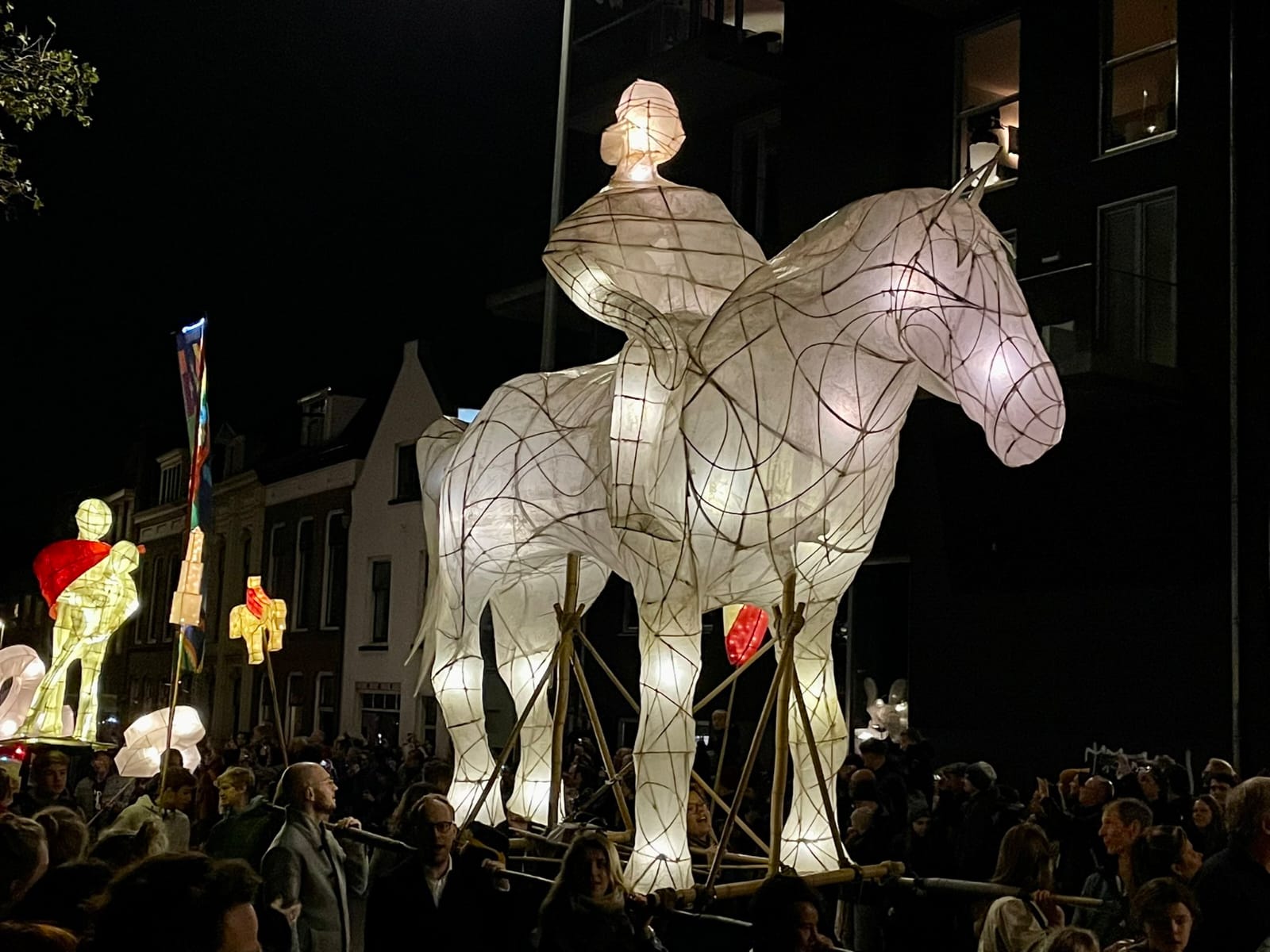
Ronde van Sint Maarten
Bonfires and Ancient Traditions
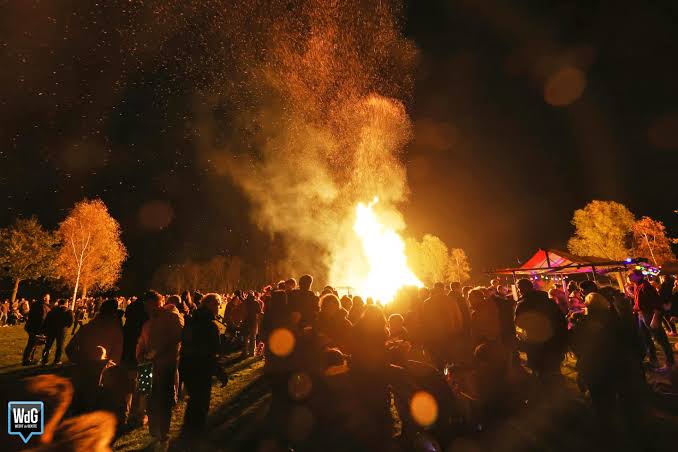
bonfire Sint Maartensvuur
Same Saint, Two Different Traditions
In the end, it does not matter whether the tradition revolves around food, livestock, and community gatherings, as in Spain, or emphasises lanterns, children, and public parades as in the Netherlands. Both traditions share the same idea: bringing people together (although one involves morcillas and the other does not), and it is a shame that it is mainly a rural tradition; day by day, it disappears. Of course, it can be difficult to continue this tradition in Spain if you don’t have any connection to the countryside. Still, in the Netherlands, there is an opportunity to continue it and celebrate it every year, even if you are not from the countryside, which is great for continuing the tradition of meeting with friends and family and singing some famous Dutch Saint Martin songs.
Thank you for reading, and I will see you in future posts!
Greetings,
Pablo