
How I Got My Internship as a Master’s Student

By Devi Muralee Krishna
Getting an internship did not happen by chance for me. It was the result of a structured approach, a lot of patience, and many rounds of reflection and improvement. Instead of applying randomly and hoping for the best, I built a system that helped me stay focused and consistent throughout the process. In this blog, I will list some of the tips on getting internship based on my experience.
Creating a Target Company List and Using LinkedIn Strategically

The first thing I did was create a list of companies I genuinely wanted to work for. These were organizations that aligned with my academic background, interests, and the kind of work environment I was seeking. Having this list gave me direction and prevented me from applying everywhere without purpose. It also helped me stay motivated because I could clearly see where I wanted to end up.
Once I had this list, LinkedIn played a major role in my internship search. I created job alerts for each of the companies so that every time a vacancy was posted, I received an email notification. This approach helped me avoid missing opportunities and allowed me to apply early, often within the first few days.
Over time, I realised that timing can be just as important as qualifications.
Building Connections and Approaching Vacancies Thoughtfully

Alongside setting up job alerts, I started adding connections from the companies I was interested in. I always sent a brief and polite introduction with my connection request. Something simple like “Happy to connect, I’m a master’s student interested in this field” worked well. Once connected, I avoided immediately asking for opportunities. Unless a vacancy was already published—either on LinkedIn or shared through the job newsletter from my university—I focused on building a professional connection rather than making direct requests.
Whenever I came across a vacancy, I made sure to read the job description multiple times before applying. I wanted to fully understand what the company was looking for and how my skills matched their expectations. Also, I used AI tools to break down the description and critically evaluate it against my CV. At the same time, I checked practical factors such as the job location and commuting ease. These details matter more than we often realise when committing to a role.
Tailoring My CV and Writing a Cover Letter Every Time
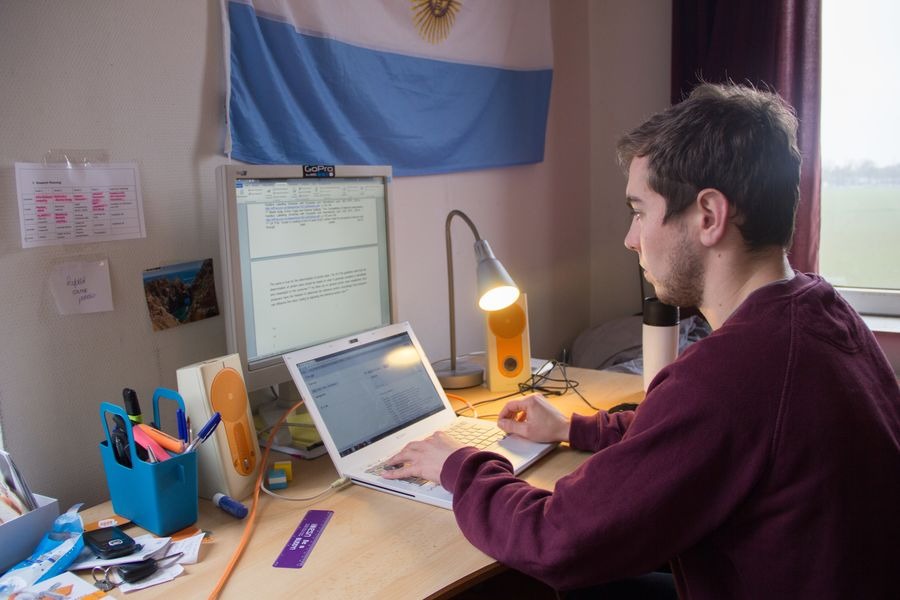
One rule I strictly followed was never using the same CV for every application. I tailored my CV according to each vacancy, whether it came from LinkedIn, company websites, or the job newsletter from my university, highlighting experiences and skills that aligned most closely with the role. This helped my application feel relevant rather than generic. I also ensured my CV was no longer than two pages and followed a targeted chronological structure. A clear and focused CV makes it easier for recruiters to see your fit at a glance.
Even the application did not explicitly require a cover letter, I always wrote one and uploaded it under additional documents if possible. A CV can only say so much, but a cover letter allowed me to explain my motivation for the role and the company. It gave me space to show curiosity, intent, and personal interest, things that can’t be fully captured in bullet points. What helped me further was emphasizing my willingness to learn, my motivation to grow, and my genuine interest in the company. I often mentioned articles I had read about the company or their products, which added a personal touch to my applications.
Handling Rejections During My Internship Search
Rejections became an inevitable part of the process, and learning not to take them personally was essential. We are often competing in a crowded ocean of talent for a single island of opportunity. Companies may have hidden preferences, such as candidates with prior internship experience or very specific technical exposure. Not being selected does not mean you lack competitiveness.
Whenever I received a rejection email, I replied with a short message thanking the recruiter for their time and consideration. While it may seem small, this step helped maintain professionalism and left a positive impression. You never know when paths might cross again.
Preparing for Interviews and Communicating Effectively

Once I started receiving interview calls, preparation became my top priority. I made sure I could clearly explain every point mentioned in my CV and relate it to the job description. I researched the company, understood the role, and reflected on my own experiences so I could communicate them confidently. Additionally, I also prepared a list of questions to ask the recruiters, because recruiters appreciate candidates who show curiosity and genuine engagement.
During interviews, I structured my answers using the STAR method—Situation, Task, Action, and Result. STAR method is a structured way to answer interview questions clearly. You explain the Situation (what was happening), the Task (your responsibility), the Action (what you did), and the Result (what happened because of it). This helped me keep my responses clear and structured. One question I always asked at the end was,
“What did you like in my CV, or what improvements would you suggest?” The feedback I received from this question helped me refine my CV and improve my future applications.
Accepting the Offer in My Internship Journey

When I finally received a confirmation call, I did not accept the offer immediately. I took 28–48 hours to think it through and ask important questions about working hours, commuting support, flexibility to work from home, use of company data for my university project, and who my supervisor would be. Clarifying these points early helped set realistic expectations on both sides. Once the contract was signed, I informed my university and enrolled the internship programme in Osiris.
Looking back, getting an internship was not about being perfect or ticking every box. It was about being intentional, reflective, and persistent. If there’s one thing I’ve learned, it’s this: keep refining your approach, keep applying, and trust that the right opportunity will come.


Awesome read, Devi. Thank you for sharing. It was worth my time.
Thanks, Olu-Samuel
Good to know that!
this really help.
Thanks, Abdullahi Ibrahim Tahir
Good to know!
As a Masters student, you are allowed to look for internships. Do you work during the study period or this is after graduation. Asking as an international student.
Hello Nyasha,
Usually around 36-40 hours of work is required for internship, but you can also work in the meantime. It depends on how you plan your day and activities
Yes, Nyasha,
The internship is a crucial part of the Master’s programme. I completed it during my academic study period, as it is integrated into the programme.
This is a great article. Truly insightful